
If your child has recently been diagnosed with autism spectrum disorder or other developmental challenges, you have almost certainly come across the term ABA therapy. It is recommended by pediatricians, listed on insurance documents, discussed in parent communities, and referenced in just about every conversation about autism support. And yet for most parents, what it actually involves on a day-to-day basis remains genuinely unclear.
This guide is written for parents who want a thorough, honest understanding of what ABA therapy is, how it works, what a session actually looks like, who delivers it, what the research shows, and what to consider when deciding whether it is the right fit for your child. There is no jargon here beyond what is necessary, and where clinical terms are used, they are explained in plain language.
What Is ABA Therapy?
Applied Behavior Analysis is a scientific approach to understanding and changing behavior. The foundational idea is straightforward: behavior that is followed by a positive outcome tends to occur more often. Behavior that does not produce a meaningful result tends to decrease over time. ABA therapy uses this principle deliberately and systematically, creating structured opportunities for a child to practice target skills and consistently reinforcing their efforts in ways that are motivating to that specific child.
How ABA Therapy Has Evolved
It is important to acknowledge that ABA therapy has a complicated history. Early versions of the approach, developed in the 1960s and 70s, used methods that many people today, including many autism advocates, rightly criticize. Some early programs used aversive techniques, including physical discomfort as consequences for certain behaviors. These methods are not acceptable in contemporary practice and have not been for decades.
Modern ABA therapy looks fundamentally different. Today, well-run programs are built on positive reinforcement, child-led interactions, and a genuine respect for the child as an individual. The goal is not to make a child appear less autistic or to eliminate characteristics that are simply part of who they are. The goal is to build functional skills and reduce behaviors that genuinely interfere with a child’s ability to learn, communicate, connect with others, or stay safe.
This distinction matters when evaluating a provider. Parents should feel comfortable asking any provider directly about their reinforcement approach, how they handle challenging behavior, and what their philosophy is toward autism as a whole. A provider who shares your values and approaches your child with warmth and respect is a provider worth working with.
What Does a Typical ABA Session Look Like?
This is one of the questions parents most frequently ask, and the honest answer is that it depends on the child, their age, their goals, and where they are in the program.
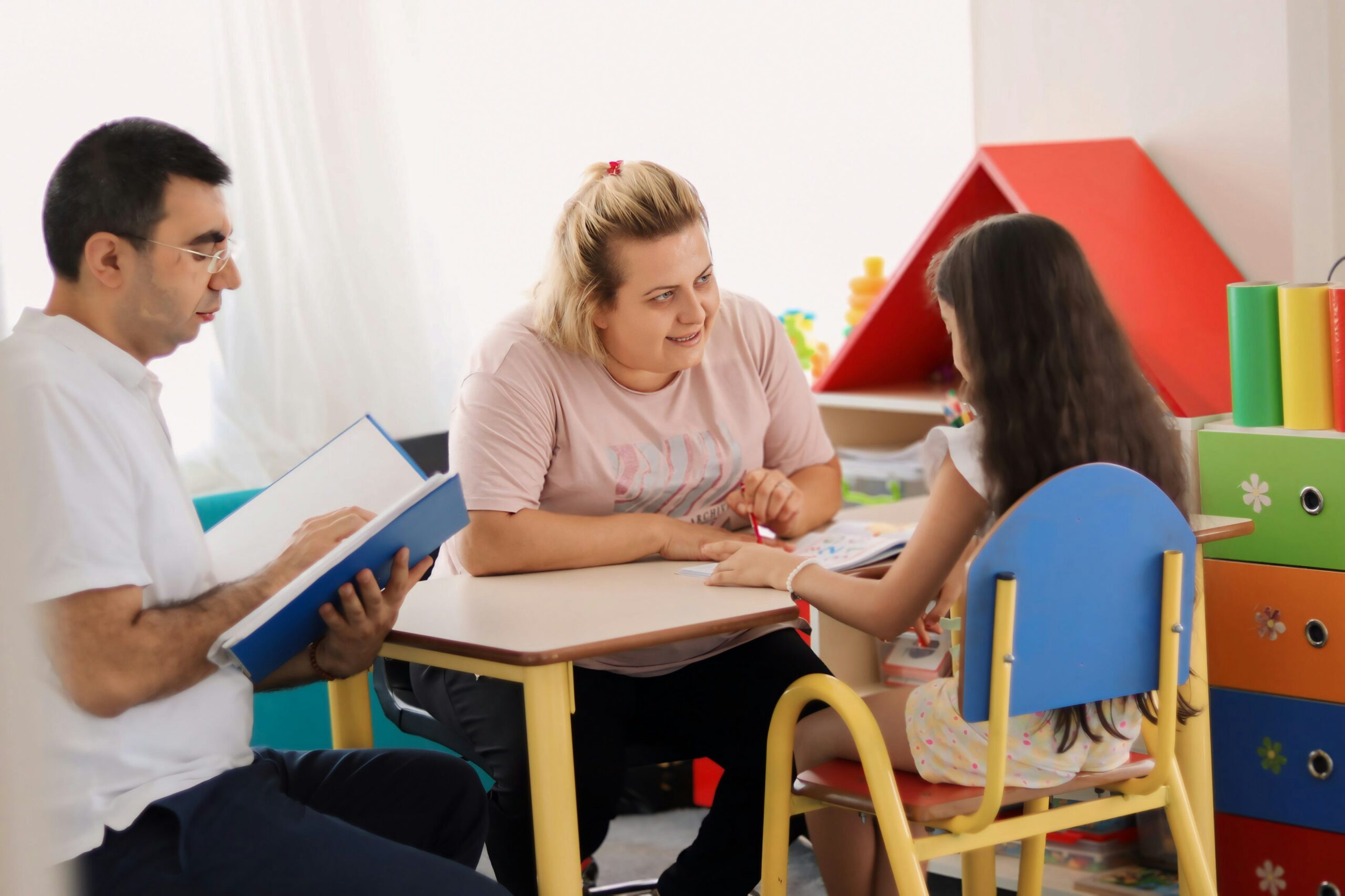
For a young child, say a three-year-old working on early communication and play skills, a session might look like an adult playing alongside them on the floor, following the child’s lead, commenting on what the child is doing, and gently creating opportunities for the child to communicate. When the child attempts to communicate, even a small one, the therapist responds in a way that is meaningful to that child. The session may look almost indistinguishable from play to a parent watching from across the room.
For an older child working on conversation skills and managing transitions, a session might involve more structured practice, role-playing social scenarios, working through a sequence of activities with clear expectations and natural breaks, and discussing strategies for situations the child finds difficult.
For a teenager focused on independence, sessions might involve practicing daily living tasks, learning to navigate public transport, or developing skills related to employment or further education.
The common thread across all of these is that the therapist is always working toward specific, clearly defined goals, consistently measuring progress, and adjusting based on the data. Even when a session looks like free play, there is a clinical purpose behind every interaction.
The Two Main Approaches: DTT and NET
Within ABA therapy, two approaches are used most commonly, often in combination with each other.
Discrete Trial Training, known as DTT, involves breaking a skill down into small, specific steps and practicing each step in a focused, structured format. The therapist presents a clear instruction, the child responds, and the response is followed by a consequence, typically praise or a small reward if the response is correct, or a neutral correction and another attempt if it is not. DTT is particularly useful for building foundational skills where a child needs many repetitions to learn, such as matching pictures, following instructions, or identifying objects by name.
Natural Environment Teaching, known as NET, takes a very different approach. Rather than sitting at a table and running structured practice trials, NET embeds learning opportunities into natural, child-led activities. If a child is drawn to building blocks, the therapist finds ways to weave target communication goals into that play. If a child wants a snack, that moment becomes an opportunity to practice requesting. NET is particularly effective for helping children generalize skills, meaning using skills they have learned in one context in other situations and settings as well.
Most high-quality ABA programs use both approaches and shift between them based on what a child needs at any given point in their development. A program that relies exclusively on table-based drills, or one that is entirely unstructured, is likely not taking full advantage of what ABA has to offer.
What Skills Does ABA Therapy Work On?
ABA therapy can address a wide range of skills and areas of development. What a specific child works on depends entirely on their individual assessment, their age, and the goals their family identifies as priorities.
Communication is one of the most common areas of focus. This includes not just spoken language but also alternative forms of communication such as picture exchange systems, communication devices, and sign language. For many families, increasing their child’s ability to express their needs, feelings, and thoughts is the primary goal for therapy.
Social skills are another significant area. Learning to initiate and maintain a conversation, take turns, understand facial expressions and tone of voice, make and keep friends, and navigate group settings are all skills that ABA therapy regularly addresses, particularly for school-age children and teenagers.
Emotional regulation involves helping a child recognize how they are feeling, understand what triggers strong emotions, and develop strategies for managing those feelings in ways that are effective and appropriate for their age and context. Many children and teenagers find this work particularly meaningful because it directly affects their experience at school and at home.
Daily living skills cover the practical tasks that most of us take for granted: getting dressed, brushing teeth, preparing a simple meal, managing personal hygiene, and eventually, more complex tasks like using public transport or managing a schedule. Building independence in these areas has a significant impact on a child’s quality of life and on the daily lives of their family.
Academic readiness and learning skills, including sitting and attending, following instructions, working independently, and understanding classroom routines, are also commonly addressed for children in school or preparing to enter a school environment.
Finally, when a child has behaviors that are significantly affecting their safety, their learning, or their ability to participate in daily activities, ABA therapy addresses these, too. This is done by understanding what purpose the behavior serves for the child and teaching a more effective and appropriate way to meet that same need.
Who Provides ABA Therapy?
ABA therapy is delivered by a team, and understanding the roles within that team helps parents know who to direct different questions to.
The Board Certified Behavior Analyst, or BCBA, is the licensed clinician who oversees the entire program. They hold a graduate-level qualification in behavior analysis and are certified through a national examination. The BCBA conducts the initial assessment, designs the individualized treatment plan, sets the therapy goals, trains the rest of the team, reviews session data regularly, and makes all clinical decisions. They are the person who holds clinical responsibility for your child’s program.
The Registered Behavior Technician, or RBT, is the therapist who works directly with your child during sessions. RBTs are trained and supervised by the BCBA and follow the treatment plan the BCBA has developed. They collect data during every session, which the BCBA then reviews to monitor progress and make adjustments.
As a parent or caregiver, you are also a central part of the team. Parent training is built into quality ABA programs because research consistently shows that children make faster, more lasting progress when the people in their daily lives are also using the strategies that work for them. You should expect to be actively involved, not just kept informed.
What Does the Research Actually Show?
ABA therapy has more published research behind it than any other autism intervention. Multiple systematic reviews and meta-analyses spanning decades have found meaningful improvements in language development, cognitive skills, social functioning, and adaptive behavior in children who receive intensive, well-designed ABA programs.
The strongest evidence exists for early intensive intervention, meaning programs that begin before age five and involve a substantial number of therapy hours per week. That said, positive outcomes have been documented across age ranges and therapy intensities, and research does not suggest that there is a point at which ABA therapy stops being beneficial.
Two landmark studies have shaped how ABA is practiced today. In 1987, psychologist O. Ivar Lovaas published research showing that nearly half of young children who received intensive ABA therapy went on to function academically and socially in ways that were indistinguishable from their typically developing peers. While subsequent research has been more measured in its conclusions, the Lovaas study established the foundation for early intensive intervention. More recent research has moved the field toward shorter, more naturalistic programs that prioritize quality of life and the child’s own goals alongside measurable skill development.
It is worth noting that research also acknowledges that outcomes vary. Some children make dramatic progress. Others progress more steadily and in smaller increments. A great deal depends on factors including the age at which therapy begins, the quality of the program, the intensity of services, how consistently strategies are applied across environments, and the individual characteristics of the child. Honest ABA providers acknowledge this variation rather than making guarantees about outcomes.
ABA Therapy Compared to Other Therapies
Parents of children with autism often encounter several therapeutic options and wonder how they relate to each other. Understanding what each therapy focuses on helps families make informed decisions and see where different services can work alongside each other.
Speech therapy focuses specifically on communication. This includes spoken language, alternative communication systems, articulation, and social communication. Many children receiving ABA therapy also work with a speech therapist, and when both services are running simultaneously, coordinating goals between the two providers produces the best outcomes. A BCBA and speech therapist who communicate regularly and align their goals give a child consistent support across both settings.
Occupational therapy addresses sensory processing, fine motor skills, and the practical tasks of daily living. A child who has significant sensory sensitivities, difficulties with coordination, or challenges with tasks like writing and dressing often benefits from both occupational therapy and ABA. Where OT tends to focus on the physical and sensory dimensions of daily functioning, ABA focuses on behavior, skill acquisition, and the broader learning environment.
Social skills groups, which many providers offer alongside individual therapy, bring children together in a structured setting to practice the social interactions they are working on in their individual sessions. These groups work best when they are facilitated by trained clinicians and connected to the goals being addressed in individual therapy.
ABA therapy is distinguished by its breadth and its evidence base. Rather than viewing these therapies as alternatives, most developmental specialists see them as complementary, with each addressing a different dimension of a child’s development.
Common Misconceptions About ABA Therapy
Several persistent misconceptions about ABA therapy are worth addressing directly.
The most common is that ABA attempts to make autistic children appear neurotypical by suppressing natural behaviors. Good ABA does not do this. It focuses on building skills that the child and family have identified as meaningful, and it targets behaviors only when those behaviors are creating genuine problems for the child’s safety, learning, or well-being.
Another misconception is that ABA is only for young children with severe challenges. In reality, ABA therapy is used effectively across a wide age range and across the full spectrum of autism, from children who need significant support to teenagers and adults who are largely independent but want to strengthen specific skills.
A third misconception is that ABA therapy must be delivered in large, intensive doses to be effective. While early intensive intervention has the strongest evidence base, targeted ABA programs of fewer hours can still produce meaningful results, particularly for older children with more specific goals.
How to Know if ABA Therapy Is Right for Your Child
There is no single answer to this question, and any provider who tells you otherwise should be viewed with caution. Whether ABA therapy is the right choice depends on your child’s specific needs, your family’s goals, and the quality of the provider you are considering.
A thorough assessment by a qualified BCBA is the most reliable starting point. It gives you a clear, evidence-based picture of your child’s strengths and challenges, and it allows the BCBA to recommend whether ABA therapy is appropriate, what intensity would be suitable, and what goals would be most meaningful to work toward.
It is also worth trusting your instincts as a parent. If something about a provider’s approach does not sit right with you, ask questions. A strong provider welcomes that. If the answers you receive align with the principles described in this guide, and if you feel that your child would be genuinely supported and respected in that environment, that is a meaningful signal.
Take the Next Step with TruPath
TruPath Behavioral Therapy provides individualized, evidence-based ABA therapy for children across Baltimore, MD, with both in-home and in-school services available. There is currently no waitlist, and the clinical team handles insurance verification from the first conversation, so families can focus entirely on their child.
Frequently Asked Questions
What does ABA stand for, and what does it mean? ABA stands for Applied Behavior Analysis. Applied means the principles are used in real, practical settings. Behavior Analysis refers to the scientific study of why behaviors occur and how they can be changed. In autism therapy, ABA uses these principles to teach meaningful skills and reduce behaviors that interfere with learning or daily life.
Is ABA therapy only for children with autism? ABA is primarily used with children who have autism spectrum disorder, but it is also used with children who have intellectual disabilities, ADHD, developmental delays, and other conditions that affect learning and behavior. The approach is adaptable to a wide range of needs and ages.
Is ABA therapy the same as behavioral therapy? The terms are related but not identical. ABA is a specific, structured form of behavioral therapy with a strong research base and defined clinical standards. The term behavioral therapy is broader and can refer to many different approaches. When a provider says they offer ABA specifically, they are referring to a particular clinical framework delivered by trained and certified professionals.
How many hours of ABA therapy does a child need? This depends entirely on the individual child and their goals. Research supports more intensive programs, typically twenty to forty hours per week, for young children who are just beginning therapy. For older children with more targeted goals, ten to fifteen hours per week may be appropriate. Your BCBA will make a specific recommendation based on the assessment.
Will my child have to do ABA therapy forever? ABA therapy is not typically a lifelong commitment. Most programs are designed with the goal of building skills that the child can then use independently, reducing the need for ongoing therapy over time. Some children transition out of ABA services relatively quickly. Others continue for longer periods. The timeline depends on the child’s progress and goals.
Can ABA therapy be done at home? Yes. In-home ABA therapy is widely used and clinically effective, particularly for younger children and those who find new environments stressful. Learning in the natural environment where a child lives also helps skills transfer more readily to everyday situations. Many providers offer a combination of home-based and school-based services.
What should I look for when choosing an ABA provider? Look for a program led by a licensed BCBA who is actively involved in your child’s care. Ask about how individualized the program is, how parent training is incorporated, how progress is measured, and how often the BCBA directly supervises sessions. A provider who is transparent, communicative, and genuinely interested in your child as an individual is a provider worth choosing.
At what age is ABA therapy most effective? Research consistently shows the strongest outcomes for children who begin ABA therapy between ages two and four, during a period of significant brain development. However, meaningful progress has been documented at every age. Starting later is always preferable to not starting at all.