Anxiety is common in childhood, but it does not always look like worry. For an autistic child, anxiety may show up through changes in behavior, increased rigidity, avoidance, repetitive behaviors, sleep difficulties, or a sudden need for routines to remain the same.
A child may not say, “I’m anxious,” or even have the language to explain what is bothering them. Instead, parents may notice that a previously manageable situation has suddenly become difficult. A child who normally attends school may begin refusing to go. A child who usually tolerates a change in plans may become extremely distressed. Repetitive behaviors may increase, or the child may withdraw from unpredictable situations.
These behaviors do not necessarily mean that autism itself has become more severe. Anxiety may be contributing to what parents are seeing.
The American Academy of Pediatrics notes that anxiety disorders are common among autistic children and that anxiety can sometimes appear through behavioral changes, particularly when children have difficulty describing their internal experiences.
Understanding that distinction is important because anxiety is treatable, and identifying it can lead to more appropriate support.
What Is Anxiety?
Anxiety is the body’s response to perceived threat, uncertainty or danger. A certain amount of anxiety is a normal part of development. Children may feel nervous about starting school, meeting unfamiliar people or trying something new.
Anxiety becomes more concerning when it is persistent, disproportionate to the situation or interferes with everyday functioning. For autistic children, the line can sometimes be difficult to identify because some features of autism and anxiety overlap.
For example, a child may prefer predictable routines because of autistic traits. But if their need for predictability suddenly becomes much stronger and begins interfering with school, family activities, or sleep, anxiety may be contributing.
Why Can Anxiety Be Difficult to Recognize in Autism?
One of the biggest challenges is that autistic children may communicate anxiety differently. A child may not have the vocabulary to describe physical sensations such as a racing heart or tense muscles. They may also have difficulty identifying and naming emotions.
Instead, anxiety may appear through behaviors such as:
- Avoiding particular places or activities.
- Becoming more rigid about routines.
- Asking the same question repeatedly.
- Increasing repetitive movements or behaviors.
- Becoming irritable or unusually upset.
- Having difficulty sleeping.
- Withdrawing from social situations.
- Complaining of physical discomfort.
- Becoming distressed by relatively small changes.
None of these signs automatically means a child has an anxiety disorder. They are signals that something may need closer attention.
Autism and Anxiety Can Reinforce Each Other
Autistic characteristics can sometimes create circumstances in which anxiety becomes more likely. A child who finds social situations difficult may worry about what will happen when they enter a new group. A child who has difficulty interpreting other people’s behavior may feel uncertain about what others expect. A child who experiences sensory sensitivity may become anxious about environments where loud sounds, crowds, or unfamiliar sensations are likely.
For some children, repetitive behaviors and routines may provide predictability. When anxiety increases, those behaviors may also increase. The American Academy of Pediatrics notes that repetitive behaviors may, in part, serve to create predictability, and that anxiety can be associated with increased stereotyped behaviors or perseverative thoughts.
This is why it is useful to look at the context surrounding a behavior rather than assuming the behavior itself is the problem.
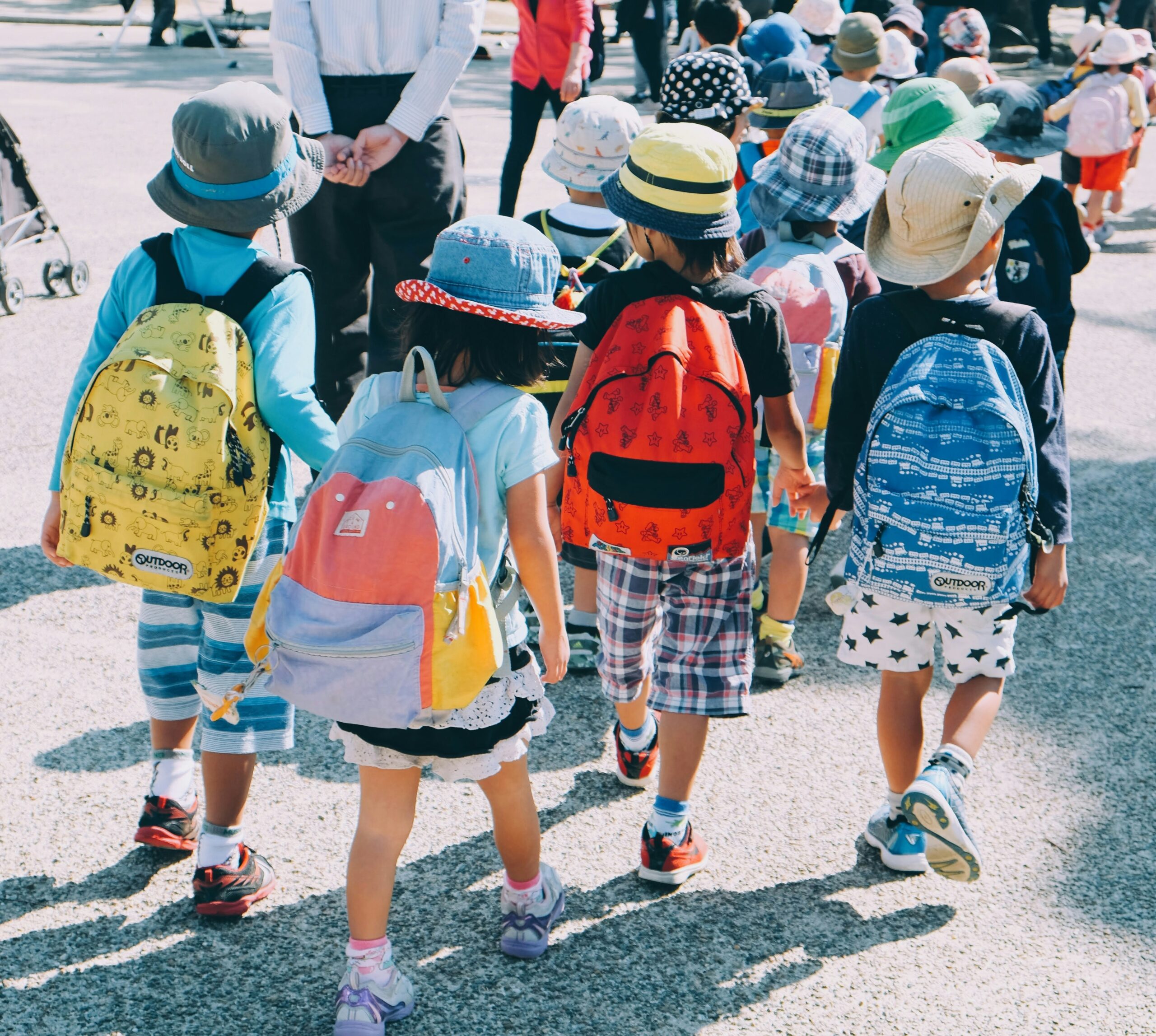
How Anxiety Can Affect School
There are transitions between activities, changing teachers, social expectations, academic demands, sensory stimulation, and situations where children are expected to respond quickly.
A child may appear to be refusing school when the underlying concern is anxiety about something happening there. Parents may notice:
- Increased difficulty getting ready in the morning.
- Repeated questions about the school day.
- Complaints of headaches or stomachaches.
- Avoidance of particular classes or activities.
- Increased distress on days when the routine changes.
- Difficulty separating from caregivers.
These signs should be discussed with the child’s healthcare and school teams rather than automatically being treated as noncompliance.
Anxiety Can Affect Sleep
Sleep and anxiety can influence one another. A child who is worried about the next day may have difficulty settling at night. Poor sleep can then make emotional regulation and coping more difficult the following day.
Sleep problems are already common among autistic children, so a noticeable change in sleep can be worth investigating rather than assuming it is simply part of autism. The AAP recommends assessing medical, behavioral, and environmental contributors when autistic children experience sleep difficulties.
Depending on developmental and communication abilities, children can learn alternative ways to indicate that they need help. The specific strategy should match the child’s communication abilities. The objective is to give the child a functional way to communicate before distress becomes overwhelming.
Don’t Remove Every Source of Anxiety
It can be tempting to eliminate anything that makes a child anxious. Sometimes that is appropriate. If an environment is genuinely overwhelming or unsafe, changing it makes sense.
But completely avoiding every uncomfortable situation can also prevent children from developing confidence and coping skills.
Support should therefore be individualized. A child may need preparation, gradual exposure, visual support, or additional assistance rather than complete avoidance.
For school-aged autistic children with anxiety and appropriate cognitive and language abilities, the AAP notes strong evidence supporting cognitive behavioral therapy as one treatment approach.
When Should Parents Seek Professional Support?
Anxiety deserves professional attention when it consistently interferes with daily functioning. This may include:
- Regular school refusal.
- Significant sleep disruption.
- Avoidance of ordinary activities.
- Persistent distress.
- Major changes in eating or routines.
- Increasing isolation.
- Anxiety that prevents participation in family or community life.
A pediatrician, mental-health professional, or developmental specialist can help determine whether anxiety is present and whether another medical, developmental, or environmental factor may be contributing.
TruPath Behavioral Therapy
At TruPath Behavioral Therapy, we understand that behavior is often connected to the skills a child has available and the demands of their environment. Our individualized approach considers each child’s communication abilities, strengths, challenges, and goals when developing support.
Through personalized ABA services and family-centered care, TruPath works with children and caregivers to build meaningful skills that can support communication, independence, and participation in everyday life.
For parents, recognizing anxiety is an important part of understanding the whole child. When anxiety is identified rather than mistaken for simple defiance or “bad behavior,” families can begin looking for the right supports.
Frequently Asked Questions
Is anxiety common in autistic children?
Yes. Anxiety disorders are reported frequently among autistic children and adults, although estimates vary depending on the population and diagnostic methods used.
How can I tell whether my autistic child’s behavior is caused by anxiety?
Look for patterns, particularly changes from the child’s usual behavior. Consider whether the behavior appears around uncertainty, particular environments, social situations, sensory triggers, or specific demands.
Can anxiety make autistic behaviors worse?
It can. Increased anxiety may contribute to greater rigidity, repetitive behavior, avoidance, or distress, particularly when predictability is important to the child.
Should I avoid situations that make my child anxious?
Not necessarily. Some situations may need to be modified, while others can be approached gradually with appropriate preparation and support.
Can autistic children receive treatment for anxiety?
Yes. Treatment depends on the child’s age, communication abilities, symptoms, and other needs. Psychological approaches such as CBT may be appropriate for some autistic children, particularly those with sufficient cognitive and language abilities.
When should I talk to a professional?
If anxiety is interfering with school, sleep, eating, family activities, social participation, or daily functioning, discuss it with an appropriate healthcare or behavioral professional.