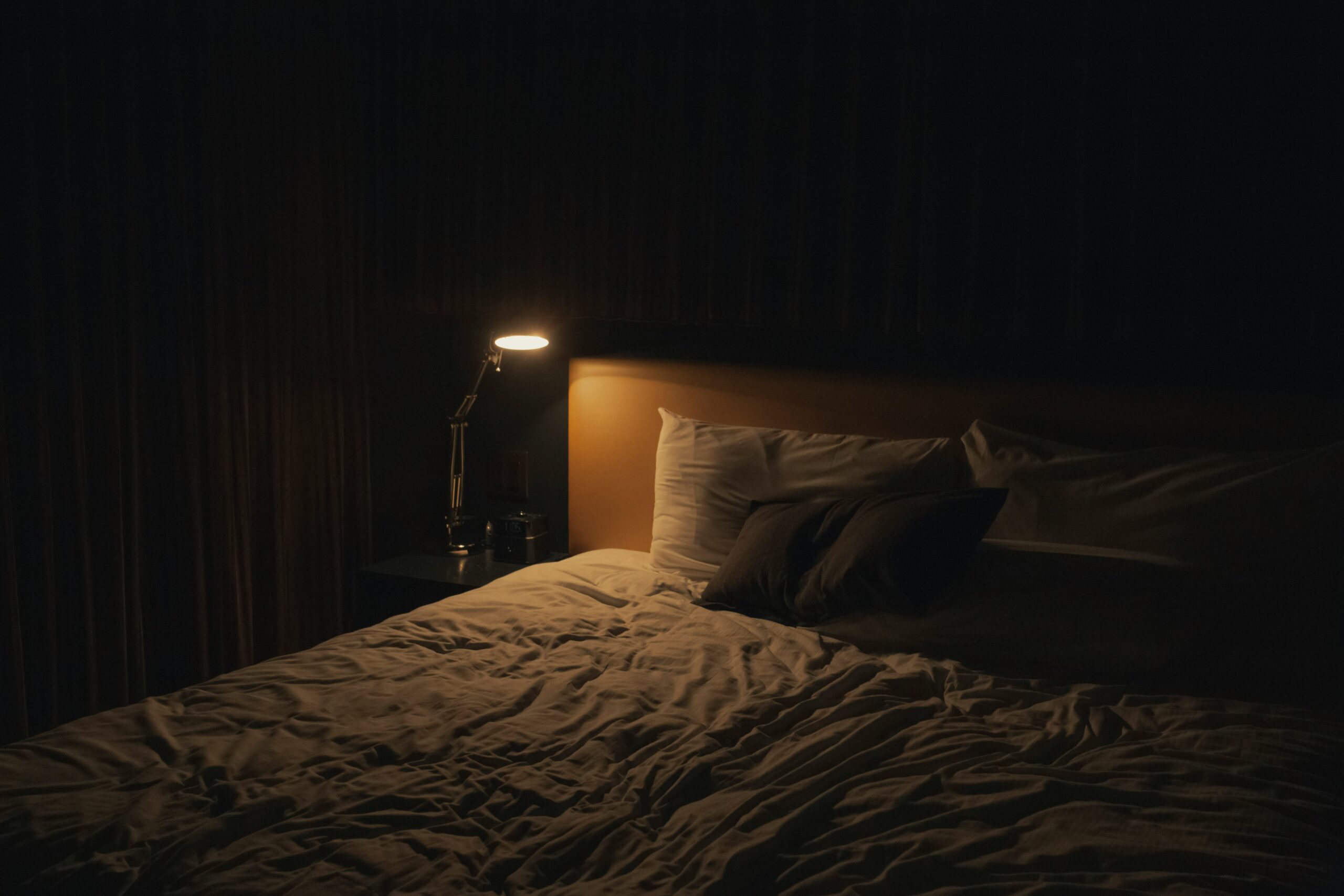
A child may take hours to fall asleep, wake repeatedly during the night, wake extremely early, or resist going to bed altogether. The result is not limited to tired mornings. Poor sleep can affect attention, mood, emotional regulation, behavior, and the entire family’s routine.
Sleep difficulties are common among autistic children. The American Academy of Pediatrics reports that problems with initiating and maintaining sleep occur frequently in children with autism and can be associated with worsening daytime behavior.
Sleep should be approached as its own area of health that deserves attention.
What Sleep Problems Can Look Like
Sleep difficulties can take several forms. A child may experience:
- Difficulty falling asleep.
- Frequent waking during the night.
- Waking very early.
- Resistance around bedtime.
- An inconsistent sleep schedule.
- Nighttime anxiety or repetitive routines.
- Daytime sleepiness.
Why Can Sleep Be Difficult for Autistic Children?
Sleep can be affected by behavioral routines, sensory sensitivities, anxiety, ADHD, medical conditions, and other factors. The AAP notes that sleep disturbance in autistic children can involve both autism-related factors and conditions that are not unique to autism.
Sensory differences can make the sleep environment difficult. A child may be unusually aware of a particular sound, temperature, fabric or light. Anxiety can also make it harder to settle at night, particularly when the child worries about the next day or relies heavily on predictable routines.
Other medical conditions can affect sleep as well, including reflux, allergies, eczema, seizures, restless legs and sleep apnea. That is why persistent sleep problems should not automatically be treated as a behavioral issue.
A child who sleeps poorly may have less capacity to manage frustration, follow instructions or cope with sensory input the next day. Increased daytime difficulty can then make the evening routine harder, creating another disrupted night.
This relationship is important because parents sometimes focus entirely on daytime behavior without considering whether sleep may be contributing. If a child’s behavior changes significantly, sleep should be one of the factors worth reviewing.
Start With the Sleep Environment
Before making major changes, look at the child’s environment. Consider:
- Is the bedroom dark enough?
- Is there a distracting sound?
- Is the temperature comfortable?
- Does the child dislike the bedding or pajamas?
- Is the bedtime routine predictable?
- Is the child using screens immediately before bed?
- Does the child associate the bedroom with play rather than sleep?
Small environmental factors can make a meaningful difference when a child is particularly sensitive to sensory input.
Establish a Predictable Bedtime Routine
A consistent bedtime routine can help children understand that the day is coming to an end. The routine does not need to be complicated.
The exact sequence should fit the family. For autistic children, visual schedules can make the sequence easier to understand because the child does not have to rely entirely on verbal reminders.
Sleep does not begin at bedtime. Daily routines can influence how easily a child settles at night. Regular wake times, physical activity, and appropriate exposure to daylight can all contribute to healthy sleep patterns.
Long or late daytime naps may also affect nighttime sleep in some children. Screen use close to bedtime is another factor worth considering. The AAP notes that children with autism who engage in screen time close to bedtime may have later bedtimes and more difficulty falling asleep.
What If My Child Keeps Leaving the Bedroom?
Repeatedly leaving the bedroom can become a difficult pattern for families.
The response should be consistent and predictable. Parents may need to work with a qualified professional to determine what is maintaining the behavior and develop an approach that fits the child’s developmental needs.
A child who leaves the bedroom because they are frightened or uncomfortable needs a different response from a child who leaves because bedtime has consistently become an opportunity for extended interaction.
What About Melatonin?
Melatonin is sometimes used to help autistic children with sleep onset, but parents should discuss its use with a qualified healthcare professional rather than treating it as an automatic solution.
The American Academy of Neurology guideline recommends addressing coexisting medical conditions and using behavioral strategies as part of sleep management. It also notes evidence supporting melatonin in some children with autism-related sleep problems.
The right approach depends on the child’s age, health, medications, and specific sleep pattern.
Consistency is important; changing the routine every night makes it difficult for a child to learn what is expected. Families should choose an approach that they can realistically maintain.
When Professional Support Can Help
If sleep problems persist despite consistent routines and reasonable environmental adjustments, a professional evaluation can help determine the next step. Depending on the concern, this may involve a pediatrician, sleep specialist, behavioral professional, occupational therapist, or mental-health provider.
Sleep is an important component of health and daily functioning.
TruPath Behavioral Therapy
At TruPath Behavioral Therapy, we recognize that meaningful behavioral support requires looking at the factors affecting a child’s everyday functioning. Sleep, communication, routines, sensory needs, and behavior can all influence one another.
Our individualized ABA services are designed around each child’s developmental profile and goals, with a family-centered approach that supports skills across everyday environments.
For families dealing with persistent sleep difficulties, the first step is understanding that there may be several contributing factors. A consistent routine can help, but persistent or significant problems deserve a broader evaluation so that children receive the support they actually need.
Frequently Asked Questions
Are sleep problems common in autistic children?
Yes. Sleep difficulties are common among children with autism, including trouble falling asleep and staying asleep.
Can poor sleep affect autistic behavior?
Yes. Sleep disturbance can be associated with daytime behavioral difficulties, reduced functioning, and challenges with regulation.
Should an autistic child have the same bedtime every night?
A consistent routine can be helpful, particularly for children who benefit from predictability. The routine should still be practical for the family.
Can sensory sensitivity affect sleep?
Yes. Sounds, light, clothing, bedding, temperature, and other sensory factors can make the sleep environment difficult for some autistic children.
When should I worry about my child’s sleep?
Talk with your pediatrician if sleep problems are persistent, significantly affecting daytime functioning, or accompanied by symptoms such as snoring, breathing pauses, unusual movements, or signs of physical discomfort.
Is melatonin safe for autistic children?
Melatonin may be appropriate for some children, but it should be discussed with a healthcare professional who can consider the child’s age, health, medications, and specific sleep difficulties.